
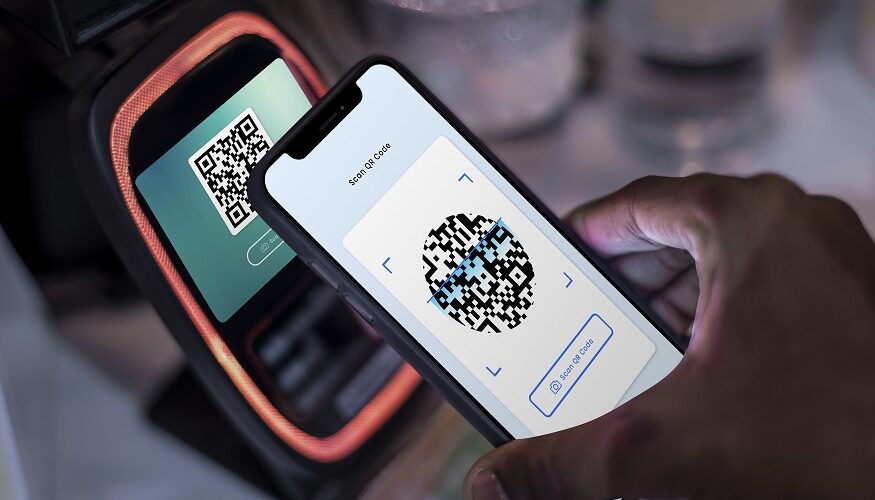
In today’s fast-paced world, managing finances can feel like juggling flaming torches. Between utility bills, phone charges, and entertainment subscriptions, it’s easy to lose track. This is where centralised dashboards swoop in as a superhero solution, offering a streamlined way to manage all payments from a single platform. With the surge in digital solutions, these dashboards have transformed the landscape of online bill payment. Let’s dive into why they are becoming the preferred choice for many.
The Growing Complexity of Bill Payments
Before centralised dashboards, we had the chaotic scenario of managing each bill on its respective platform—be it logging into different websites, setting up reminders on multiple calendars, or making late payments due to oversight. This scattered approach not only led to stress but also potential financial penalties. According to a study conducted in 2022, more than 25% of consumers reported missing at least one bill payment due to disorganisation.
The Evolution of Bill Management
Traditionally, keeping track of finances involved physical files, manual entries, and relentless phone calls to customer service. However, as digital transformation permeated every aspect of our lives, online bill payment systems emerged. This evolution was akin to moving from an old bulky desktop to a sleek laptop—more efficient, but something was still missing.
Enter centralised dashboards. These platforms bring together various bills under one virtual roof, giving consumers a bird’s-eye view of their financial commitments. Imagine having a control centre for all your utilities; this is precisely what these dashboards offer.
Benefits of Using Centralised Dashboards
1. Enhanced Organisation and Convenience
The primary allure of centralised dashboards is organisation. By consolidating all bills in a single location, users can quickly access due dates, amounts, and payment histories. This feature is akin to having a Swiss Army knife—it combines multiple tools into a single, convenient package. Additionally, with 24/7 accessibility, users can manage their payments anytime, anywhere.
2. Improved Financial Management
Centralised dashboards often come equipped with analytical tools that help users track spending patterns, set budgets, and forecast future expenses. This capability is invaluable in an era where financial literacy is paramount. Just as wearing a fitness tracker influences physical activity, having a financial dashboard encourages better money management.
3. Reduction in Late Fees and Penalties
By setting up automatic reminders and notifications, centralised dashboards significantly reduce the likelihood of late payments. The ability to schedule payments, coupled with real-time updates, ensures that users are always one step ahead. In the realm of financial management, avoiding late fees is as crucial as not missing a flight—a single oversight can lead to disproportionate consequences.
4. Enhanced Security
Security is a top concern in any form of online bill payment. By centralising bill management, users can reduce the need to input sensitive information across multiple sites, minimising exposure to cyber threats. Most dashboards use encrypted connections, adding an extra layer of security that is essential in today’s digital age.
How Centralised Dashboards Work
Integration with Multiple Billers
Centralised dashboards integrate with a wide array of service providers, from electricity and water companies to streaming services and insurance providers. This seamless integration is like a universal remote control that can operate all the devices in your living room—a single interface for every task.
User-Friendly Interfaces
Modern dashboards sport intuitive, user-friendly interfaces designed to cater to a broad audience. With features such as drag-and-drop functionality and customisable widgets, even technophobes can navigate with ease. The experience is akin to driving an automatic car—you focus on the journey, not the mechanics.
Real-Time Analytics and Reporting
The real cherry on top is the advanced analytics provided by these platforms. Users can generate detailed reports, set alerts for when expenditures exceed certain limits, and predict future cash flow. These insights are as valuable as having a personal financial advisor whispering tips in your ear.
Real-World Analogy: The Rise of Super Apps
The concept of centralised dashboards parallels the rise of super apps in regions like Asia. Just as an app like Paytm provides a one-stop solution for payments, shopping, and financial planning, centralised dashboards offer a holistic approach to bill payments. This integration of services into a single platform mirrors a bustling marketplace where everything you need is just a stall away.
Recent Statistics Highlighting the Trend
A 2023 study by a leading financial insights firm revealed that over 60% of urban Indian households use some form of centralised bill payment service. This statistic underscores the growing reliance on these platforms and indicates a shift in consumer behaviour towards digital financial management.
Challenges and Considerations
Initial Setup and Learning Curve
While the benefits are plentiful, initial setup can be daunting for some users. The need to link multiple accounts and learn a new system may deter a few. However, much like riding a bicycle, the initial effort leads to a smooth journey thereafter.
Dependence on Digital Infrastructure
The effectiveness of these dashboards is contingent upon stable internet connectivity and digital literacy. In areas with limited access, these can pose significant challenges. Even the most advanced technology can be reduced to nothing without the proper infrastructure.
The Future of Bill Management
The trajectory of centralised dashboards is undeniably upward, with more innovations expected on the horizon. The integration of AI and machine learning could introduce personalised financial strategies, further enhancing the way individuals manage their expenses. Imagine a system that not only manages your bills but optimises your savings—this is the future we are heading towards.
Conclusion: Embracing the Digital Age
In conclusion, the shift towards centralised dashboards for managing online bill payment and bill payments is a testament to the evolving needs of modern consumers. These platforms not only address the chaos of multiple bill payments but also empower users with the tools needed for better financial planning. As we embrace this digital age, it is clear that centralised dashboards are not just a trend but a necessity.
Taking control of your financial world may seem like a daunting task. Still, with the right tools, you can turn it into a seamless, efficient, and even enjoyable endeavour. So, why not take the plunge?