
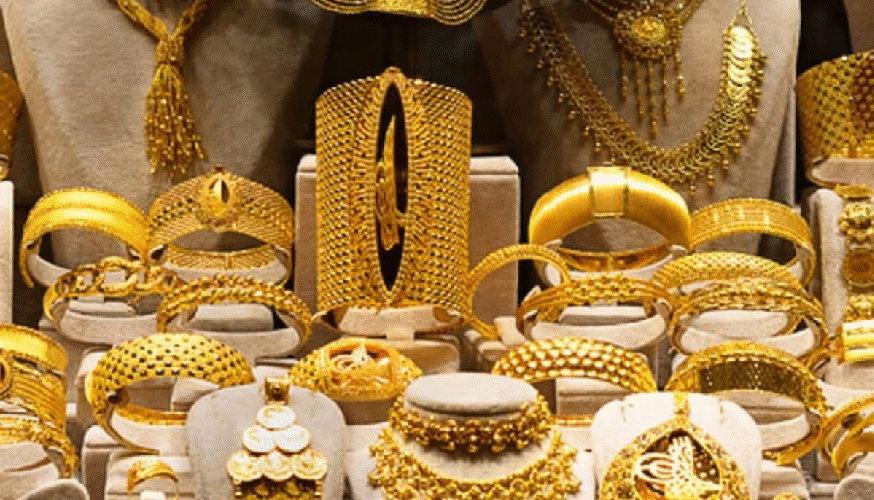
Few things move the jewellery trade like the Indian festive calendar. Shoppers glance at the gold price today when Dhanteras approaches, hoping to catch a favourable moment. Those living in West Bengal also keep an eye on the gold rate today Kolkata as Durga Puja draws near and gifting plans take shape. Demand tends to swell in these weeks, and the effects ripple from small neighbourhood shops all the way to wholesale dealers. Understanding this seasonal pattern helps buyers plan better and avoid last-minute pressure.
Why Festivals Lift Demand
In Indian culture, there is a belief that buying gold on an auspicious day brings prosperity. Akshaya Tritiya, Dhanteras and Diwali are the occasions when people across the country buy at least a tiny coin or a trinket.
Read More: Ananta Credit Card: Redefining Premium Lifestyle Experiences
This has led to increased demand during these festivals. Jewellers stock up their shops with fresh designs, announce special offers and extend hours. Refiners and wholesalers also make provisions. Some even put out higher prices in case of demand exceeding supply. Apart from the price movements in the global markets, the demand-supply equation drives the rates. As far as buyers are concerned, festival season evokes emotions, prompting people to go ahead and buy who would have otherwise hesitated. It is more of a sentiment than sound investment advice.
Weddings and the Bengali Trousseau
Wedding season accounts for the single largest demand in the jewellery segment. Besides, the Bengalis have their own tradition of a Trousseau for the bride, which includes gold necklaces, bangles and other items like iron and gold. Apart from regular jewellery, a year-long shopping commences in anticipation of the wedding date. Since these dates are usually decided at a stretch, the demand peaks during certain months.
Jewellers report heavy activity during the wedding season, with some months witnessing slack demand in contrast to the previous ones. Further, if the prospective buyers start shopping early, it enables them to space out payments, whereas latecomers have to contend with less bargaining scope and crowded showrooms.
Another Bengali festival, Poila Baisakh, the New Year, sees people flocking to jewellery shops on a smaller scale. Traders open new account books on this day, and customers buy some jewellery for good luck. It adds to the festive fervour and helps in maintaining a steady stream of trade throughout the year.
Rural Incomes and the Harvest Festival
While the festivals are major drivers of demand, there is a connection between rural incomes and gold demand as well, particularly with regard to the harvest. A bountiful monsoon leads to increased income for farmers with better produce. They are then inclined to buy gold after selling off their crops. However, in case of a deficient monsoon, the rural demand dries up, dragging down the overall demand.
This is also a reason why analysts keep a close watch on monsoon patterns and farm produce besides the usual international cues. With the farm sector comprising a considerable portion of the Indian economy, the income from harvest has a direct impact on rural demand. It is usually during the post-harvest season followed by the festivals that the rural demand peaks. Moreover, government policies related to subsidy and rural wages also come into play here. The additional income then gets converted to gold due to its liquidity and portability.
Buying Tips Ahead of Festive Season
The festive frenzy may lead to impulsive buying. Here are some tips to guide you through:
A budget is a must ahead of any shopping sprees. You must decide upon your requirements as well as your spending capacity. Festive Season offers a wide range of choices so it is best to go slow and stick to your budget even when you find the best offers in town.
Moreover, buying early allows you to beat the crowds and get your preferred choices as well. There is also scope for better negotiations if you go ahead a few weeks before the start of the festive season. Advance booking could be an option too if you are in a position to understand the terms and conditions.
It is also important to look beyond the flashy advertisements. Discounts on making charges are a must but bear in mind that free gifts could have been otherwise been included in the amount of the discount. It is all about the outlay.
You can also think of gold as an investment and take advantage of the various schemes that have emerged. If you are buying for the sake of investment, you could go for coins or bars as they have lower making charges. You can fulfill the desire of buying jewelry during festivals without burning a hole in your pocket.
Read More: Effective Monthly Investment Habits for Future Financial Stability
Last but not the least, remember that the festival season is round the year. Even if you miss out on one day, there is always another. It is best not to get disheartened when you cannot afford to buy on a particular day. If you are a prudent buyer, you will realize that prices are cyclic and that there is always another opportunity to buy gold. You must remember that the festival is a time for celebration, not only for shopping. By doing so, you will not regret missing out on that one day when gold prices were at their lowest.
Seasonal demand for gold will continue to exist because the demand is rooted in Indian cultural traditions. In addition, the connection between the rural sector and gold is well established. Savvy buyers may beat the demand-supply cycle by understanding it as well as its implications on prices. In this way, they can beat the festival frenzy all the while enjoying the culture and traditions that surround it as well as protect their finances from impulsive buying.